The constraint
Twenty years of operations, held together by spreadsheets.
For decades, group travel reservations were managed through an intricate collection of spreadsheets, bank statements, manually maintained notes, and disconnected processes.
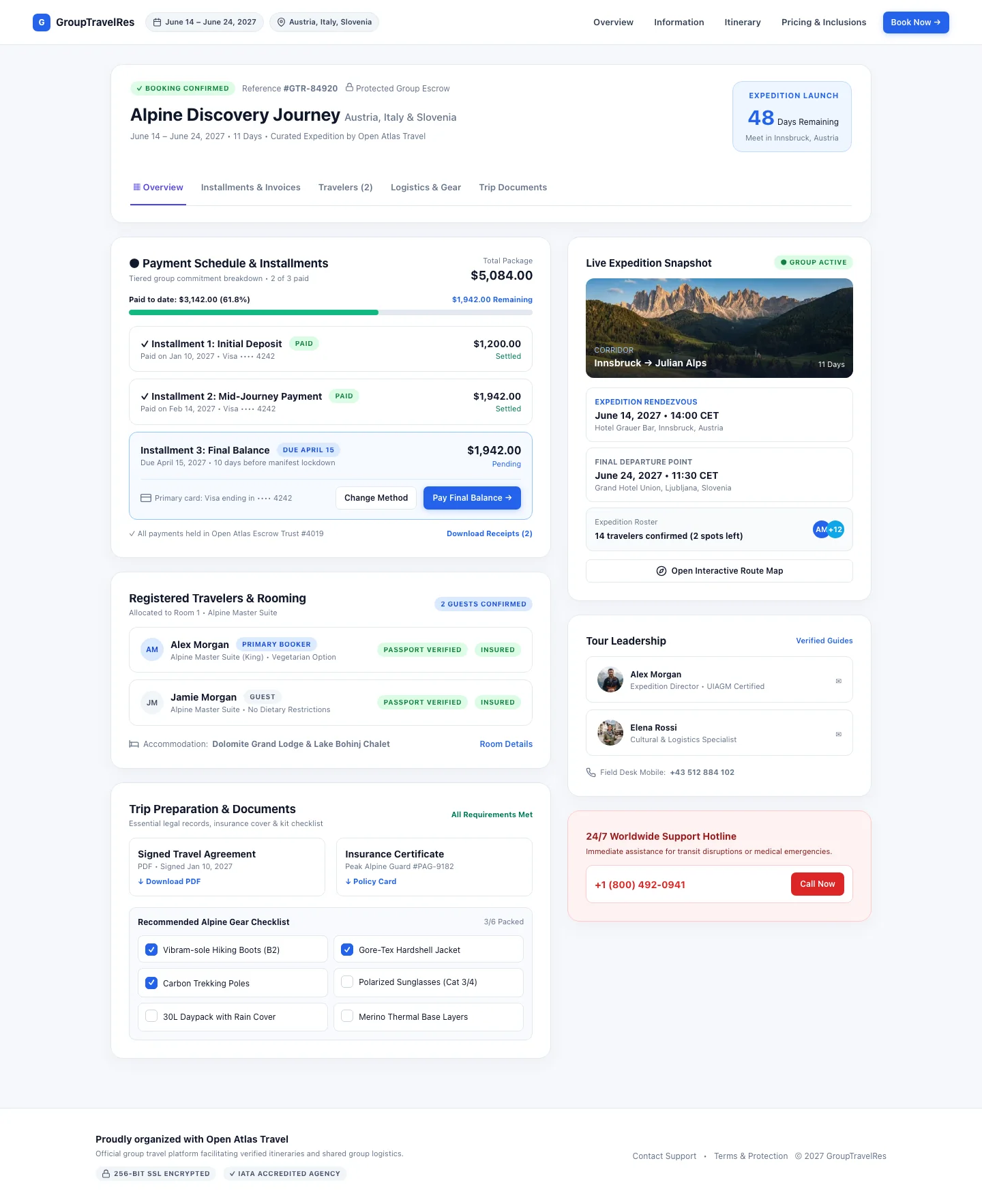
Each reservation carried multiple moving parts: several travelers, staggered payment schedules, partial deposits, signed contracts, insurance decisions, and open balances.
The people running the business understood how these pieces fit together. Much of that knowledge lived in the spreadsheets themselves—in their structure, formulas, annotations, and established ways of working. Yet the information was scattered: knowing the real status of one reservation meant reconciling records across multiple tabs and files.
Over twenty years, the spreadsheet had quietly become the operating system of the business.
Domain discovery
First, map what the spreadsheets actually represented.
Rebuilding the existing workflow as an online table would have preserved many of its limitations. The deeper task was uncovering the underlying operational relationships:
- Reservation boundary: What exactly constituted a reservation across a multi-day departure?
- Group geometry: How did individual travelers relate to a shared rooming or booking group?
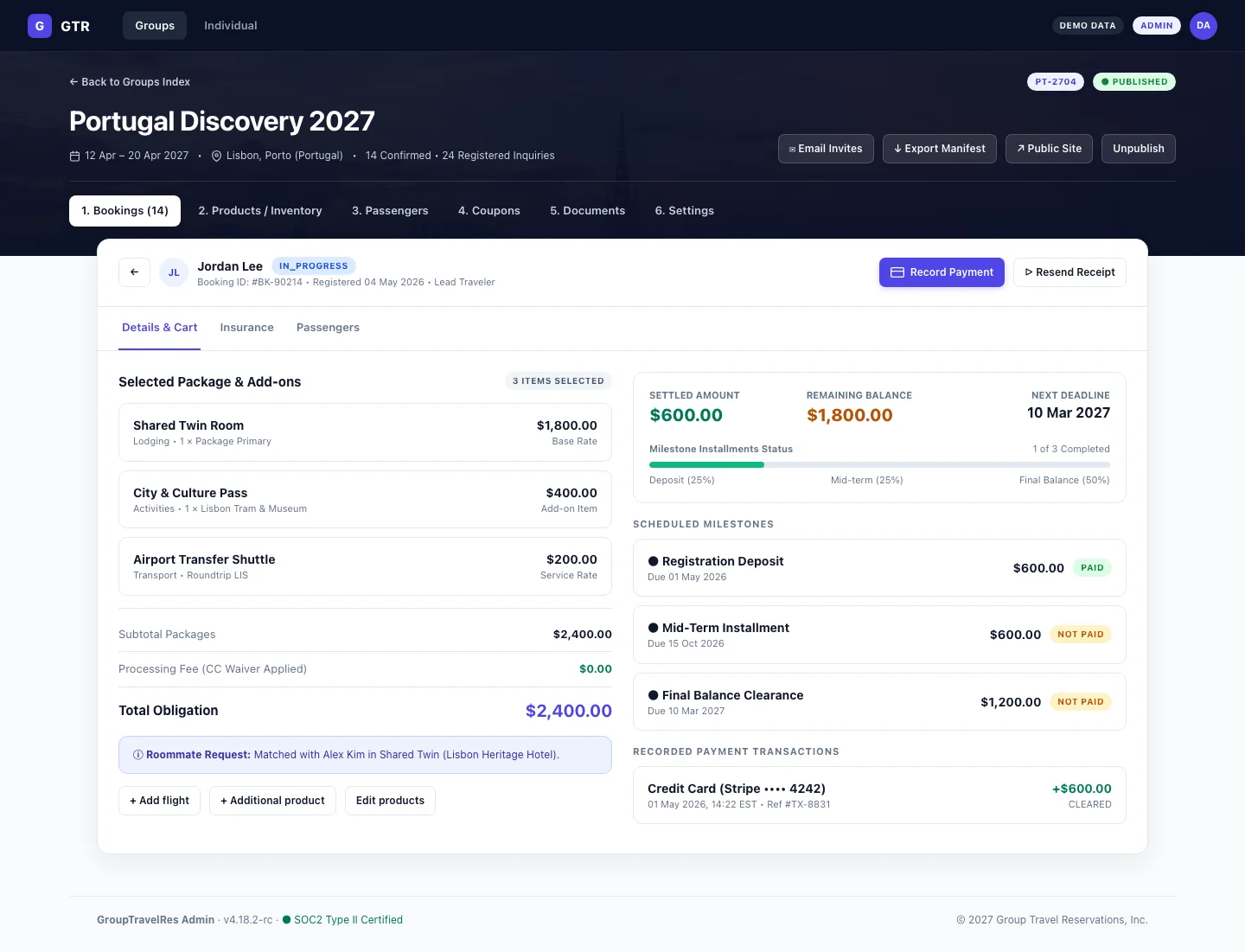
- Financial truth: How were scheduled payment obligations different from money actually received?
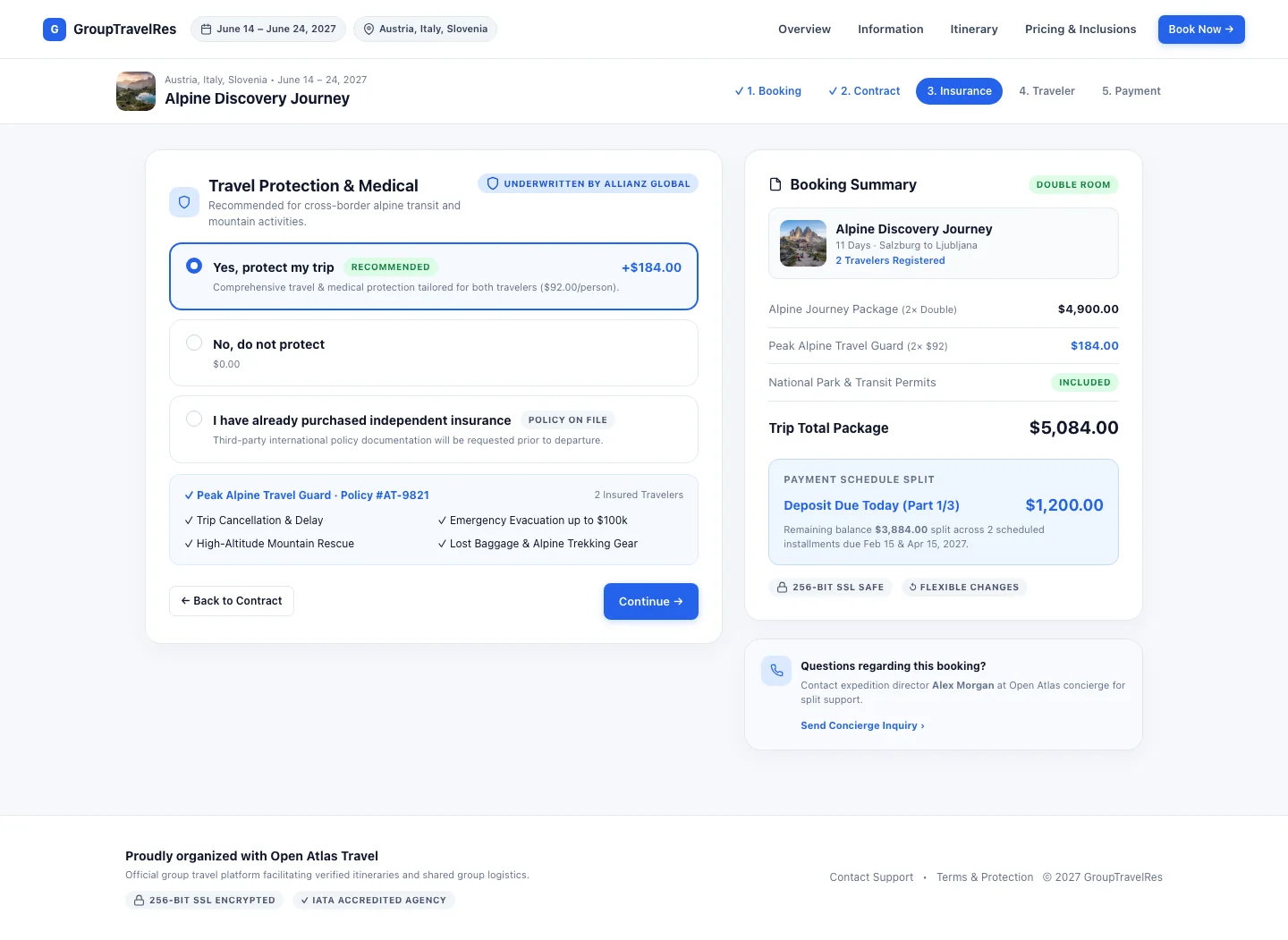
- Readiness gates: How did insurance coverage and signed contracts determine whether a booking could depart?
We needed to distinguish enduring business rules from the manual workarounds people had invented to keep things running.
The design challenge was to turn decades of accumulated operational knowledge into an explicit, coherent product model.